The project
Urban Hub Farms amplifies one San Francisco space into an inspiring food-growing pilot prototype. The first phase focuses on the Regen Room / roof-garden pathway: practical design, basic growing materials, community participation, and documentation.
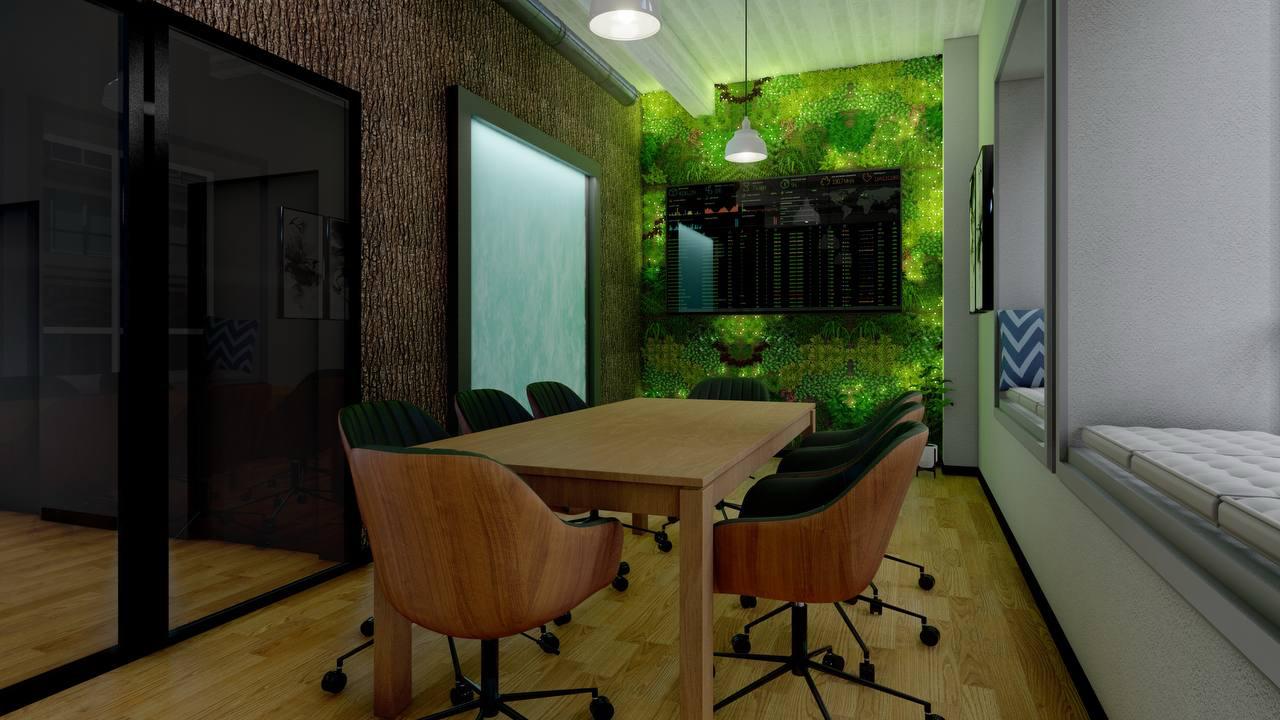
Regen Room concept — Phase 1 consists of one small indoor growing and gathering space.
Why food-growing spaces
Many city spaces are underused while neighborhoods need more access to fresh food, green space, learning spaces, and places to gather. Urban Hub Farms starts from a simple belief: food-growing can make buildings and neighborhoods feel more alive, more useful, and more connected.
The long-term ambition is food resilience. The immediate discipline is smaller: design one pilot, invite participation, document what happens, and make the next claim only when the evidence supports it.
About Urban Hub Farms
Urban Hub Farms is the food-growing project lineage that grew out of Urban House Farms, ReFi BayArea, Living Buildings explorations, Artizen campaigns, Simocracy / Regen Room learning, and community conversations in San Francisco. Alvaro Cabal leads the project. Zentient Regen supports the method: proof plans, claim labels, evidence checklists, and permission boundaries.
This is not a finished impact claim. It is a grounded project prototype designed to become more real through careful design, community participation, and visible documentation.
Gallery / project materials
Concept renderings and planning visuals for the Regen Room / roof-garden pathway. Design and planning material — not completed impact.
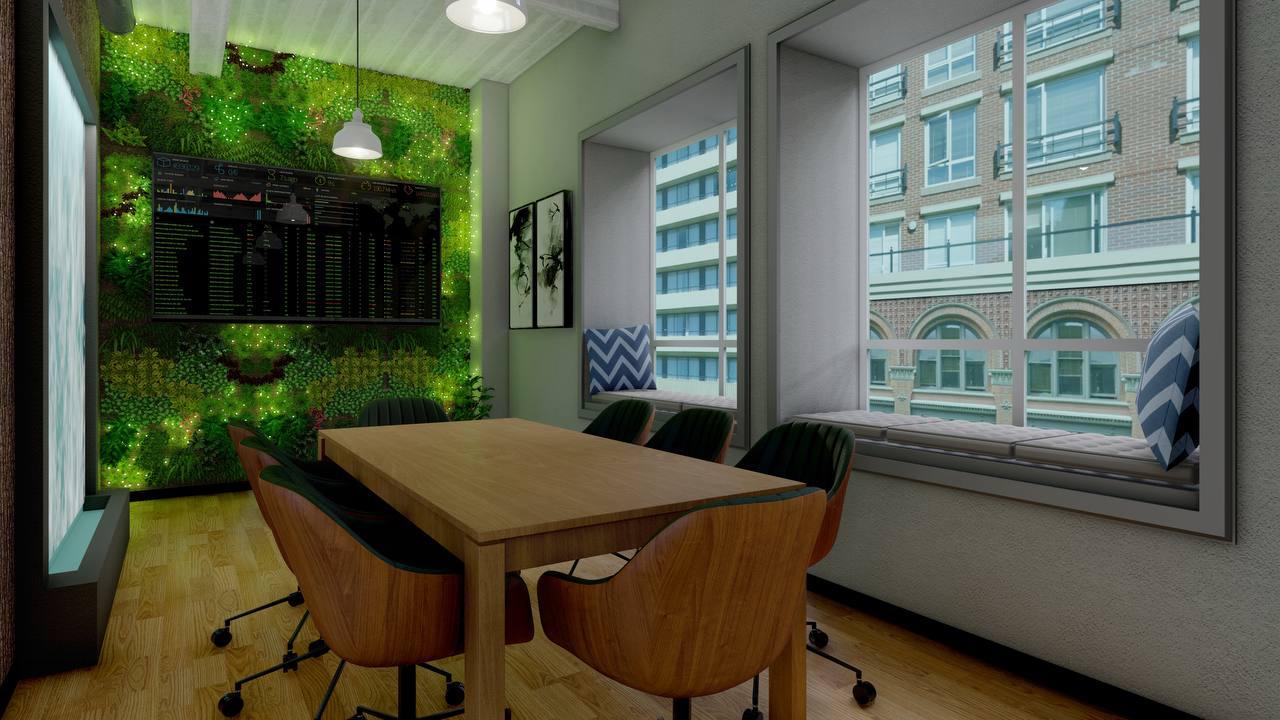
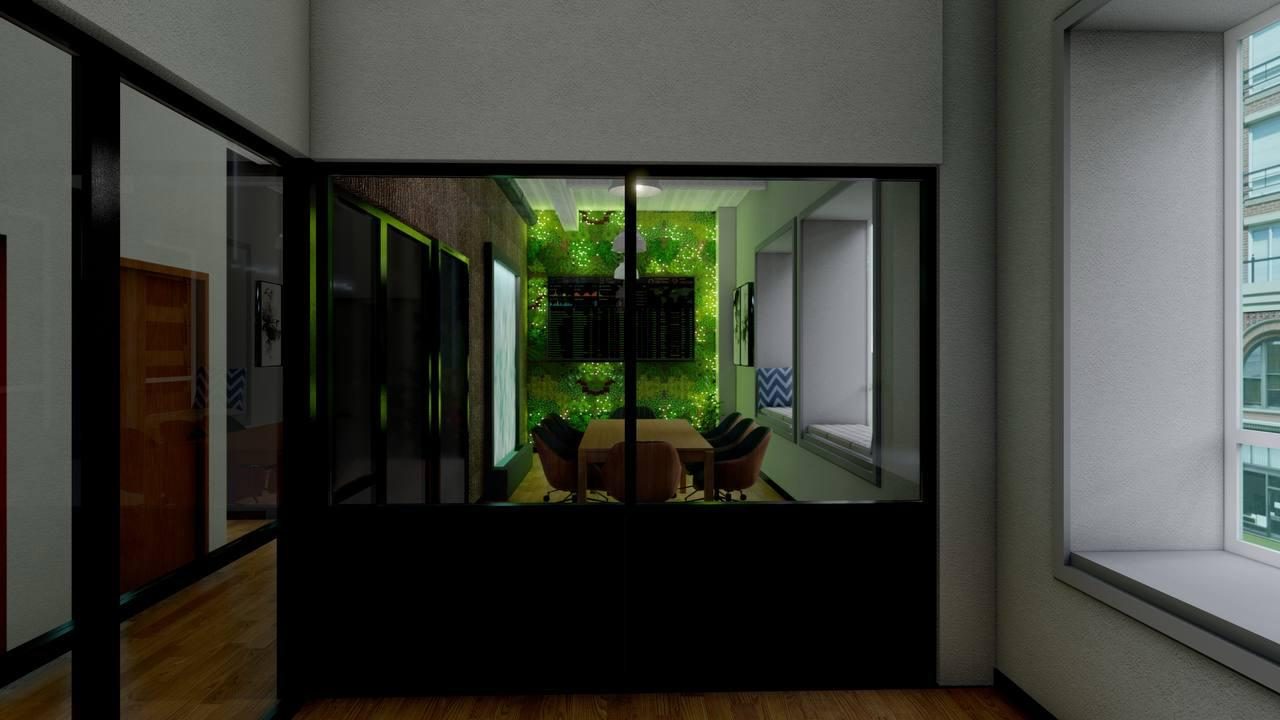
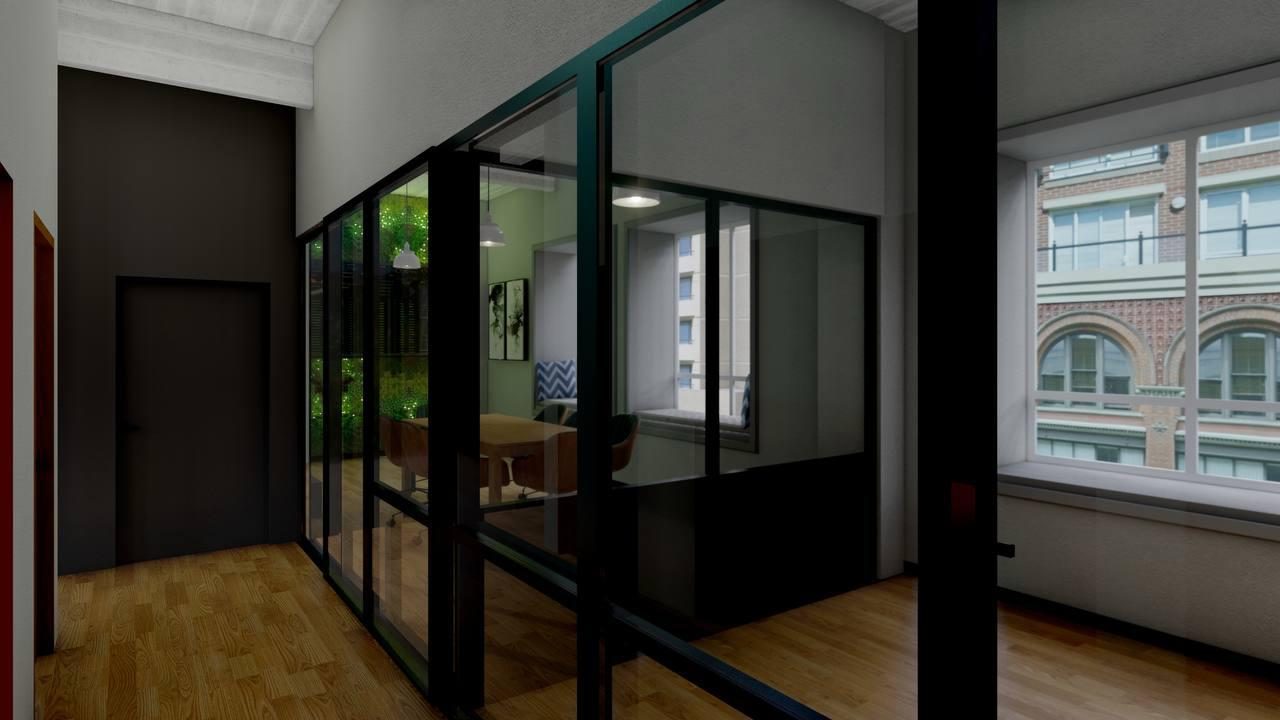
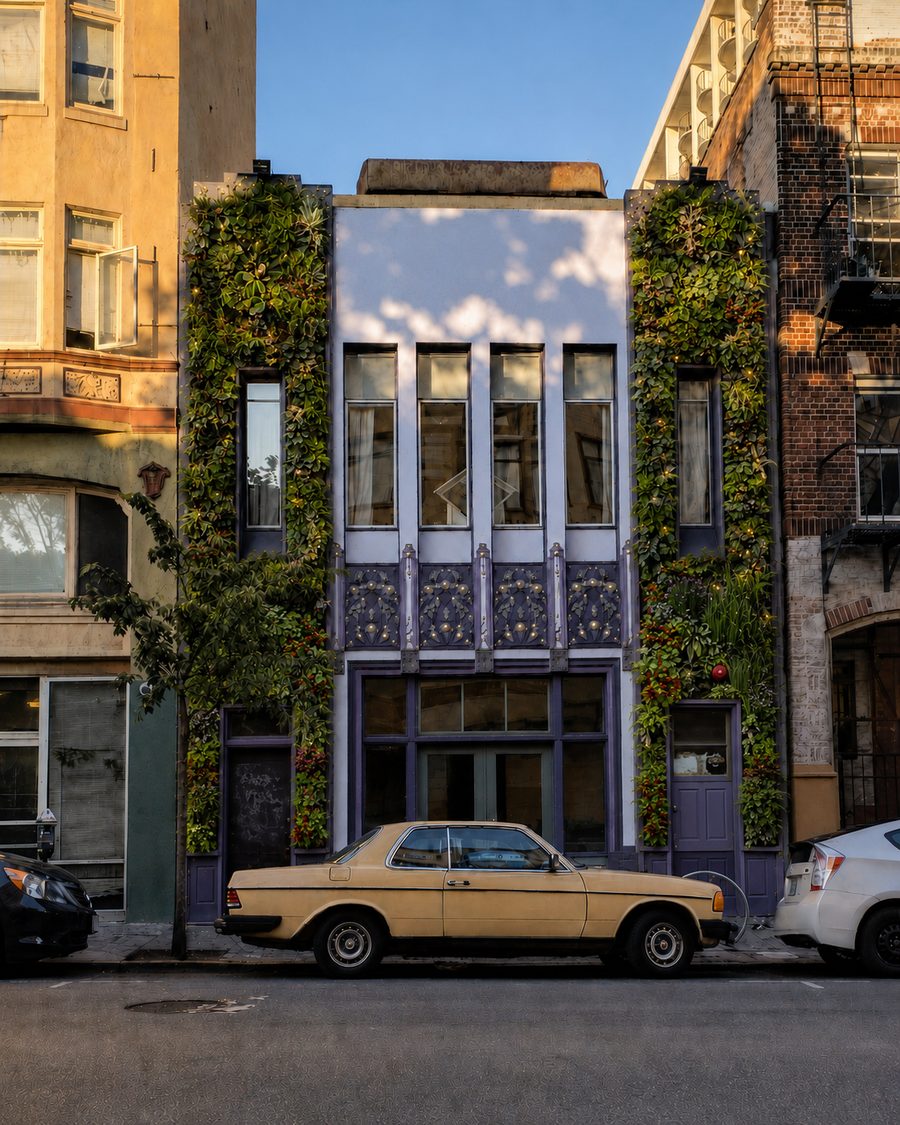
Community and process photos — work sessions, site preparation, and planting days — will be added here as Phase 1 documentation begins.
Trajectory and exploration
Urban Hub Farms grows out of earlier Urban House Farms / ReFi BayArea work and the larger Living Buildings vision. The work began with a broad question: how can homes, rooftops, walls, and shared urban spaces become part of a healthier local food system?
Since then, the project has evolved through public campaigns, market studies, community conversations, visual design explorations, and practical lessons about what can actually be funded, built, documented, and trusted. The current direction is more rigorous and resilient: use design prototypes and proof plans to ground the vision before making large claims.
This Phase 1 pilot is not a retreat from the larger vision. It is the next disciplined step: one San Francisco space, one Regen Room / roof-garden pathway, one growing season, and a clear evidence trail that can guide whether the project should continue, pause, or expand.
Phase 1 budget
Where it comes from
- Saved from prior Ma Earth / ReFi BayArea / Artizen support$1,000
- Simocracy / Regen Room support$300
- Ma Earth Round 3 request$1,500
Where it goes
- Phase 1 roof-garden / Regen Room design package$700
- Growing materials and starter setup$650
- Water and site-preparation materials$400
- Community work-session and documentation support$350
- Project delivery labor$500
- Contingency$200
About $3,000 in prior support has already gone toward grounding the design direction, strengthening community support, activating the project network, exploring market and site pathways, and developing the plan with Zentient. This Phase 1 budget is the next concrete implementation step — not starting the vision from zero.
Three-month plan
-
Month 1
Confirm site and permission boundaries; complete the design package; finalize materials; prepare the proof plan.
-
Month 2
Source materials; prepare the site; install starter growing elements; begin photo documentation.
-
Month 3
Plant the first crop cycle; hold or prepare one community work-session; publish a short end-of-phase report.
Timeline · July 1 – September 30, 2026.
Zentient Regen / Nurturing Agent
Zentient Regen supports Urban Hub Farms through a Nurturing Agent and proof-plan workflow. It helps turn broad regenerative ideas into evidence-aware next actions: a context scan, claim labeling, a missing-permission check, an evidence checklist, and a human-approved plan.
Zentient Regen does not certify impact. It creates proof plans — what must be verified before a regenerative claim should be trusted. For Urban Hub Farms, it turns prior designs, food-resilience goals, photos, public links, budget assumptions, and community context into a transparent plan of next actions. The method is the discipline underneath the project, not the headline; Alvaro Cabal holds the final human-approval boundary.
View the proof planClaim boundary
Urban Hub Farms does not claim food-security, clinical, or building-scale impact yet. Phase 1 funds a practical next step: design, setup, planting, community learning, and documentation for one small pilot.
The proof plan separates what is known from what is planned, and labels claims by evidence state. Read the proof plan →
Links / application materials
This pilot continues prior public work. Links for context, not the main story: